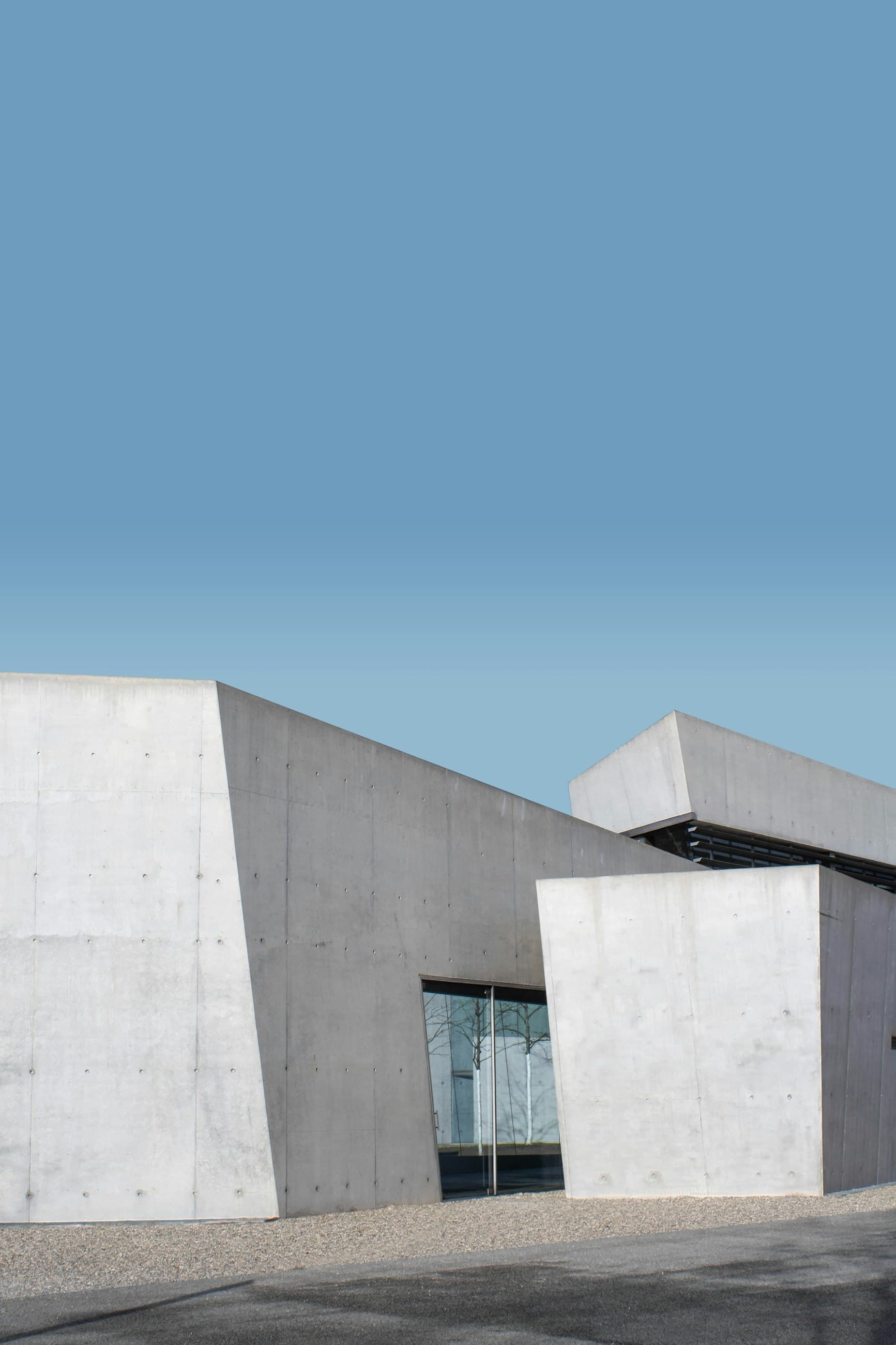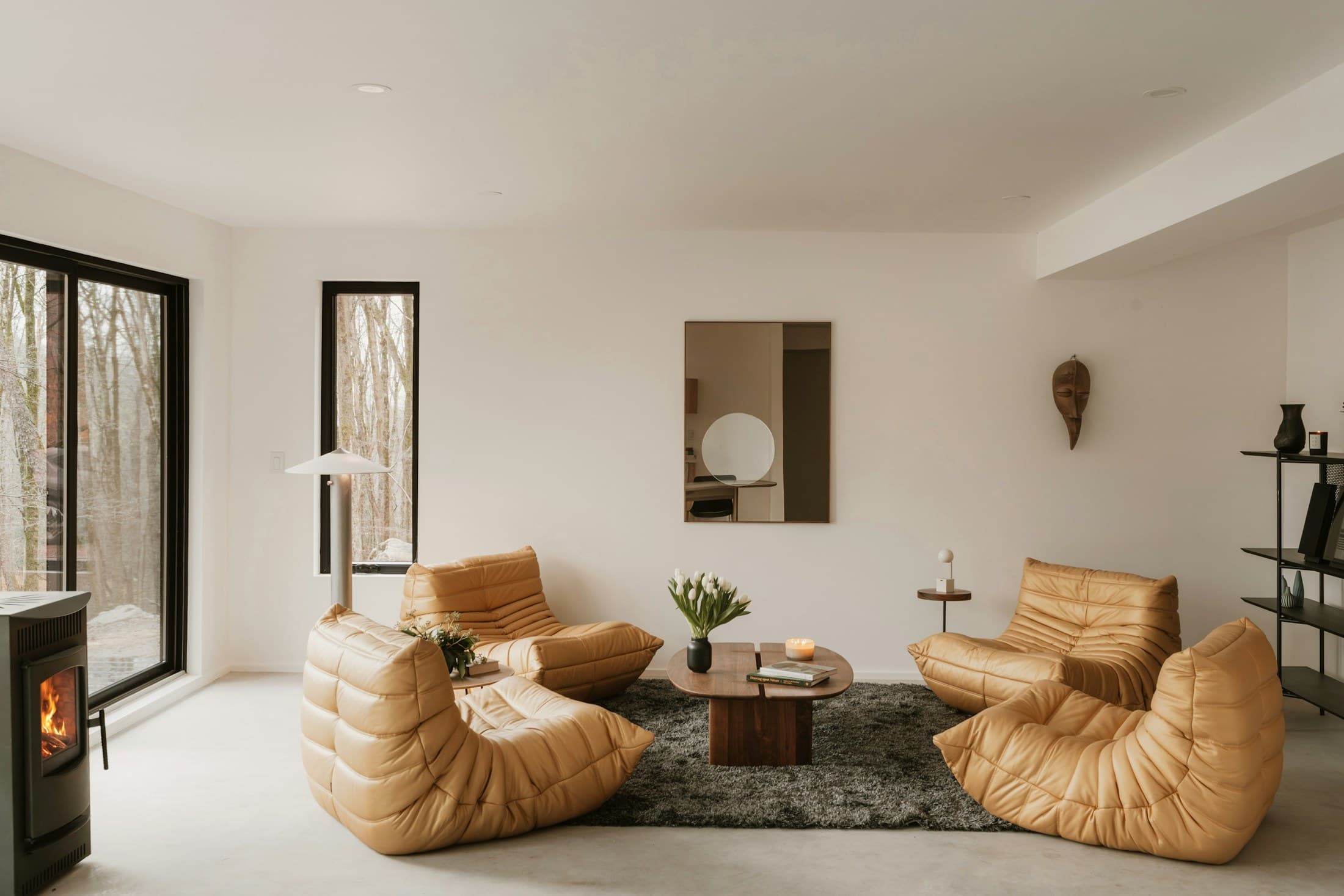
A room does not become timeless because it avoids colour or uses expensive materials. It lasts when its underlying decisions remain useful: the proportion of the space, the path between rooms and the relationship between a window and a place to sit.
Trends can be enjoyable. They give us new references and invite experimentation. Problems arise when a short-lived visual idea becomes a permanent constraint on how a space can be used.
Separate the lasting from the changeable
The elements that are difficult to replace deserve the most patient thought. Layout, joinery and lighting positions should answer real needs. Textiles, objects and movable furniture can carry a more immediate expression.
This distinction allows a room to evolve without requiring it to be rebuilt. A clear architectural framework is not restrictive; it can give future choices more freedom.
Design around actual life
A beautiful room that is awkward to live in will soon need changing. Storage, acoustics, maintenance and comfortable circulation are not secondary concerns. They are part of what makes an interior feel resolved.
The goal is not to predict every future preference. It is to create a place that can welcome a different chair, another person or a new daily routine without losing its sense of balance.