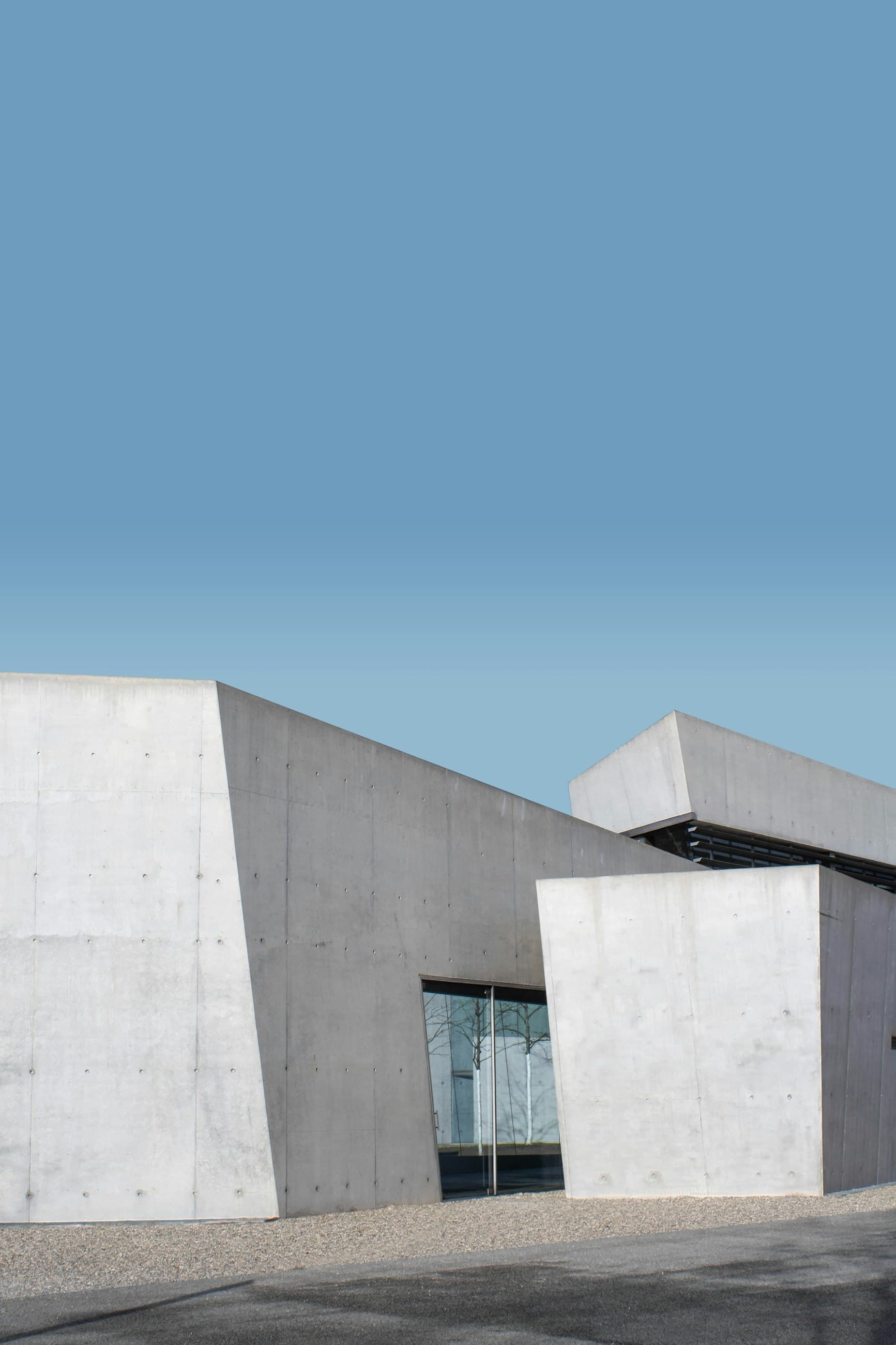
A quiet building is not necessarily a simple building. What appears effortless from a distance may depend on a hundred decisions about structure, proportion and the meeting of materials. The work lies in resolving those decisions until the building no longer asks you to notice them.
Minimal architecture is often described through what it removes. But subtraction alone cannot make a room feel generous. A space still needs to hold the rhythms of daily life: a place to leave a bag, somewhere to read, a table that catches the morning light.
Give each element a reason
A well-placed opening can do more than an elaborate facade. It can frame a tree, bring light deep into a plan or give a person a sense of orientation. When an element serves several purposes, less starts to feel like enough.
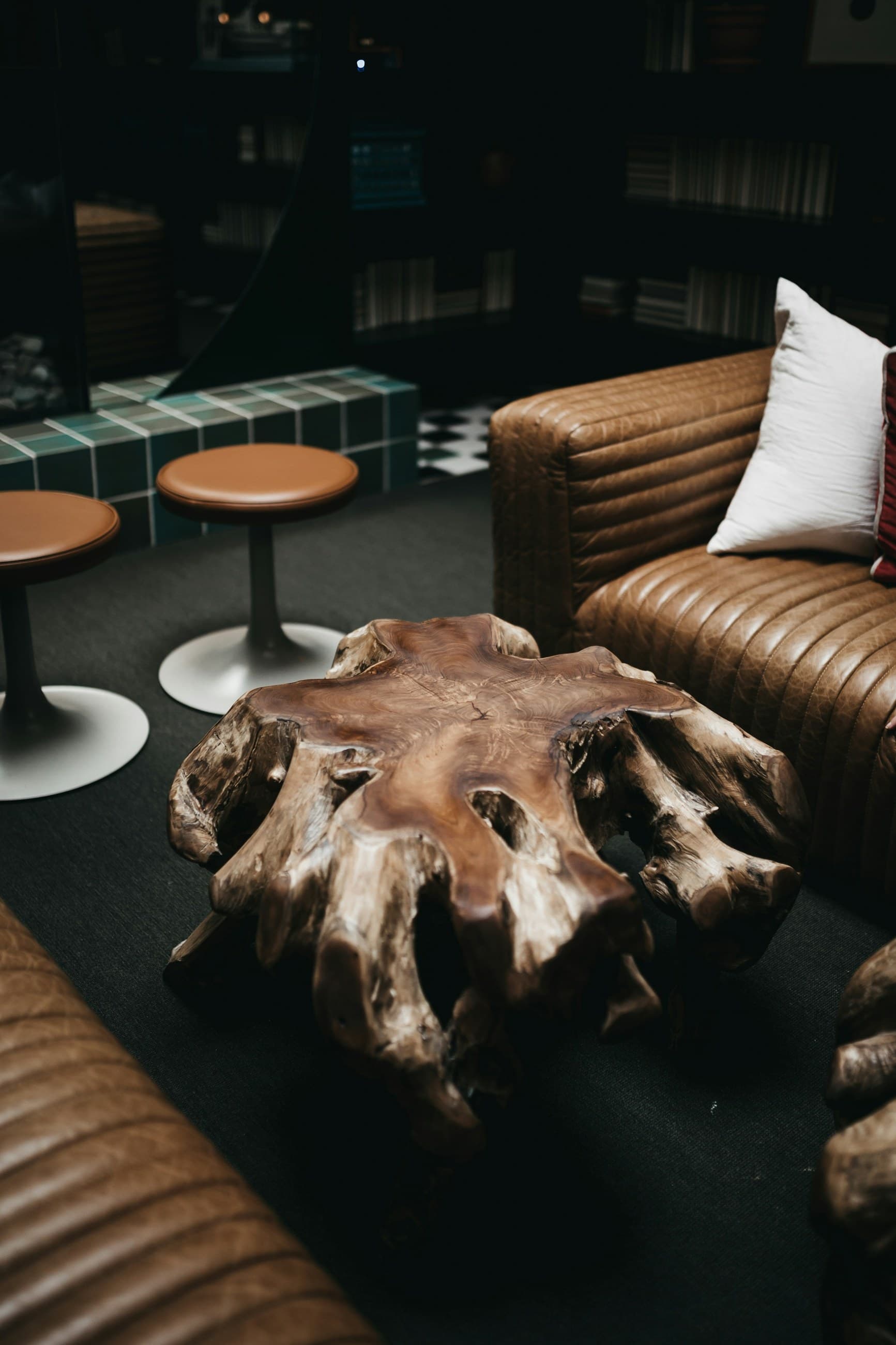
This does not require every surface to be empty. Books, textiles and objects can belong to a restrained room. The distinction is between a space with a clear order and one that has simply been left bare.
Let the ordinary carry the space
The most lasting qualities of a room are often modest: a comfortable proportion, light that changes through the day, a material that feels good under a hand. These are not qualities that announce themselves in a photograph.
A considered space allows them to remain visible. Its quietness becomes useful, making room for the people who live there rather than asking them to live around a design statement.