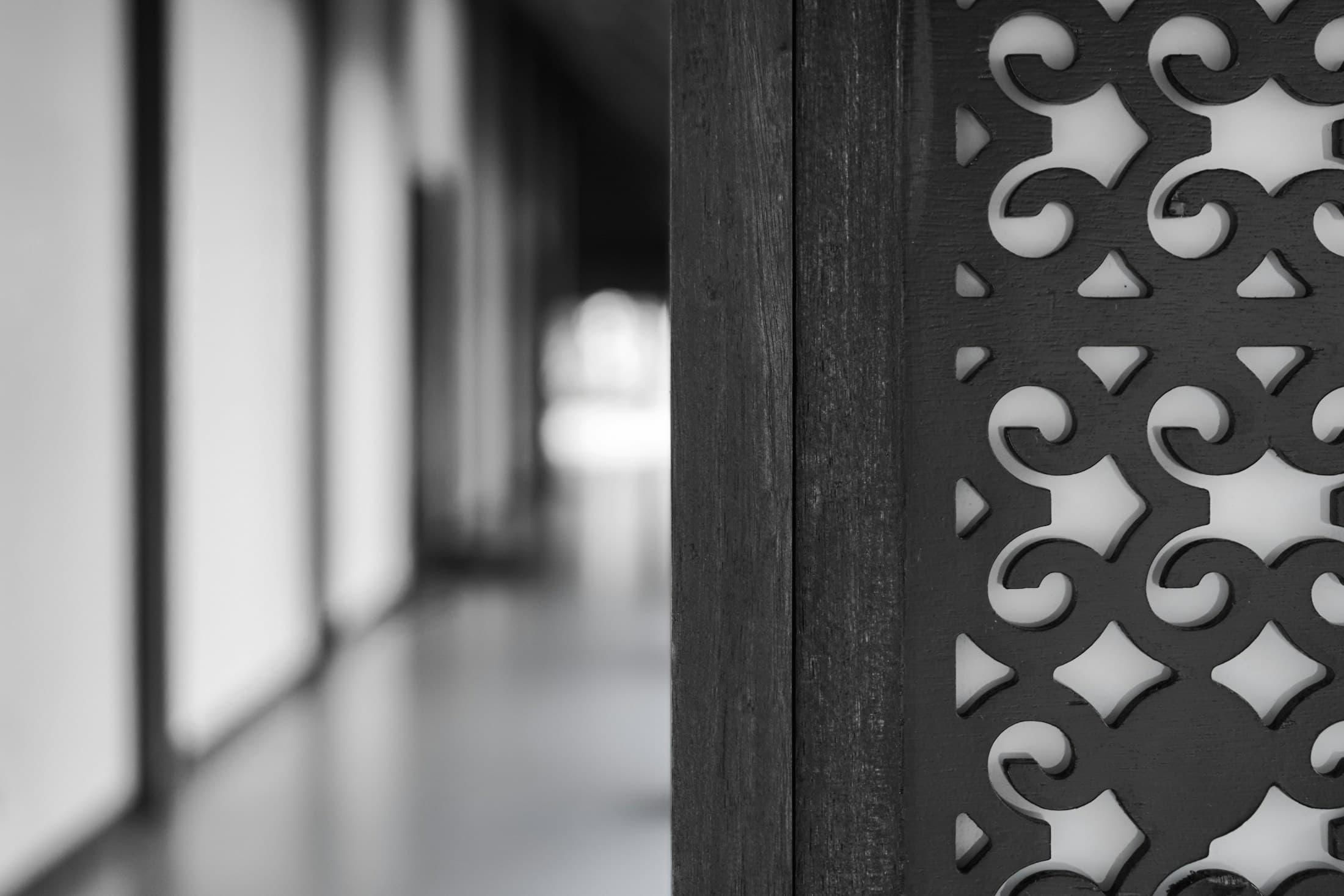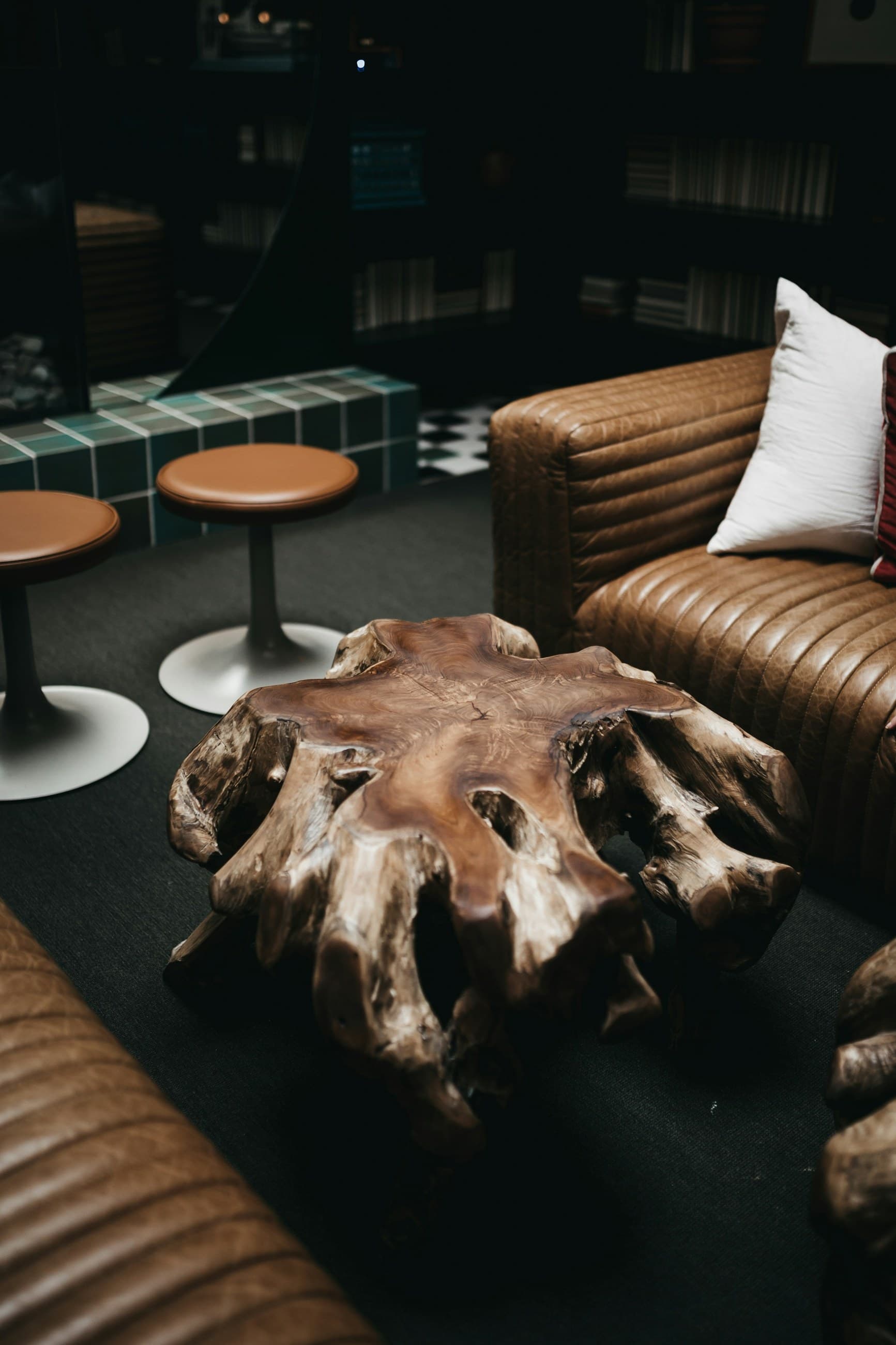
We meet a room through its surfaces before we understand its plan. The cool edge of a stone counter, the grain of a timber door and the slight unevenness of plaster give a space an immediate physical character.
Choosing materials is therefore more than choosing a palette. Each surface has a temperature, a way of reflecting light and a pattern of change. Together, those qualities can make a room feel still, formal, intimate or open.
A conversation, not a collection
A small set of materials can hold a great deal of variation. The same timber looks different in broad panels and fine slats. Stone can be honed where it is touched and left rough where it catches sidelight.
The aim is not to include every beautiful finish. It is to understand how neighbouring materials affect one another. A softer surface can temper the weight of concrete; a darker edge can give pale plaster more depth.
Allow for time
A material should be considered in use, not only on the day it is installed. Timber may deepen in colour. Brass may lose its initial brightness. Stone needs a finish and care routine suited to where it is placed.
These changes need not be defects. When they are anticipated, they can become part of a room's character. The more useful question is whether a material can age honestly alongside the life taking place around it.